
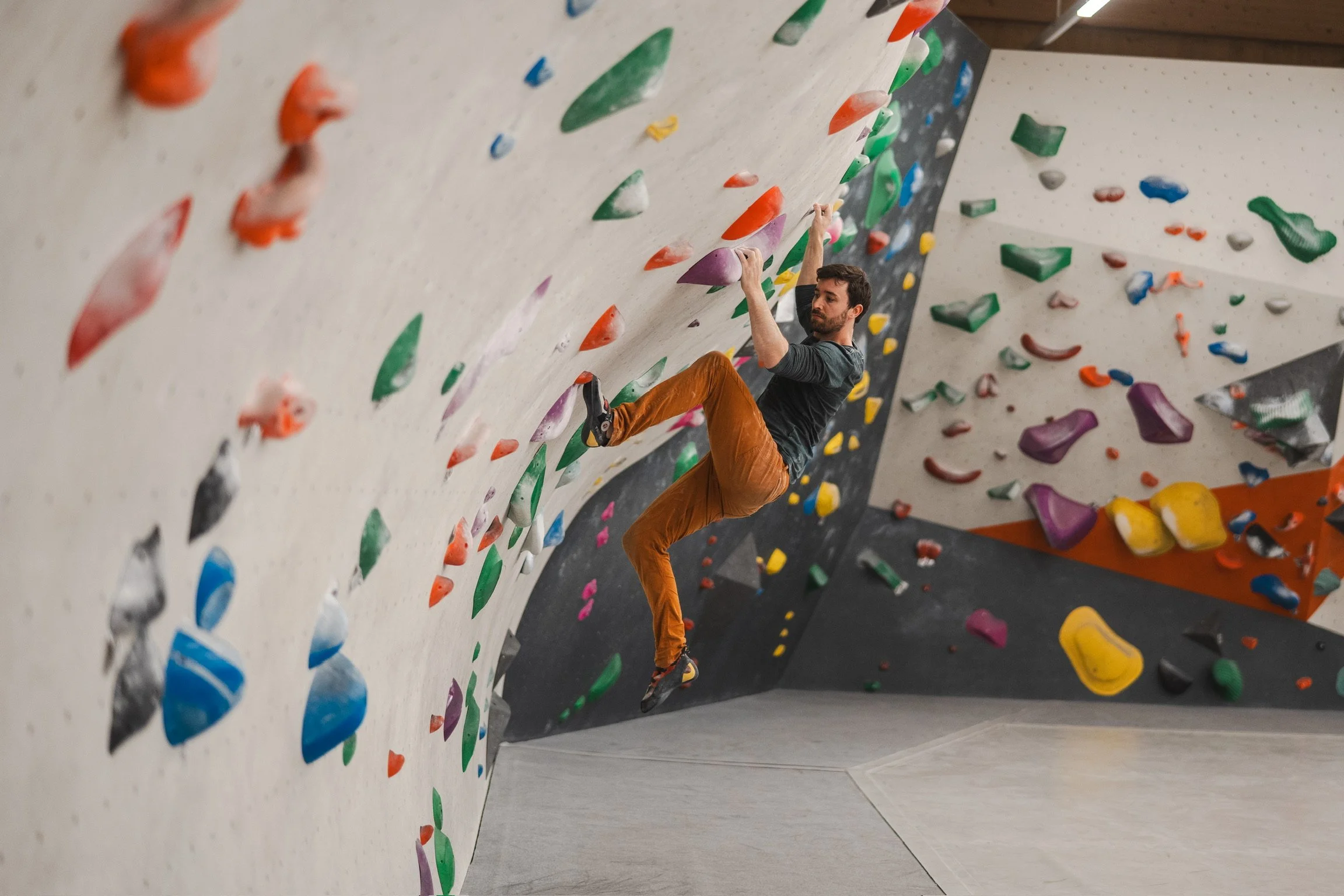
SCIENCE-BACKED PSYCHOLOGICAL COACHING FOR CLIMBERS
Climb with more confidence, focus, and trust in your performance.
We build on proven science to help you elevate your mindset and overcome fear, pressure, overthinking, and self-doubt through 1-on-1 coaching, interactive workshops, and applied sport psychology.
World-leading psychologists for climbers, coaches, federations, and gyms.
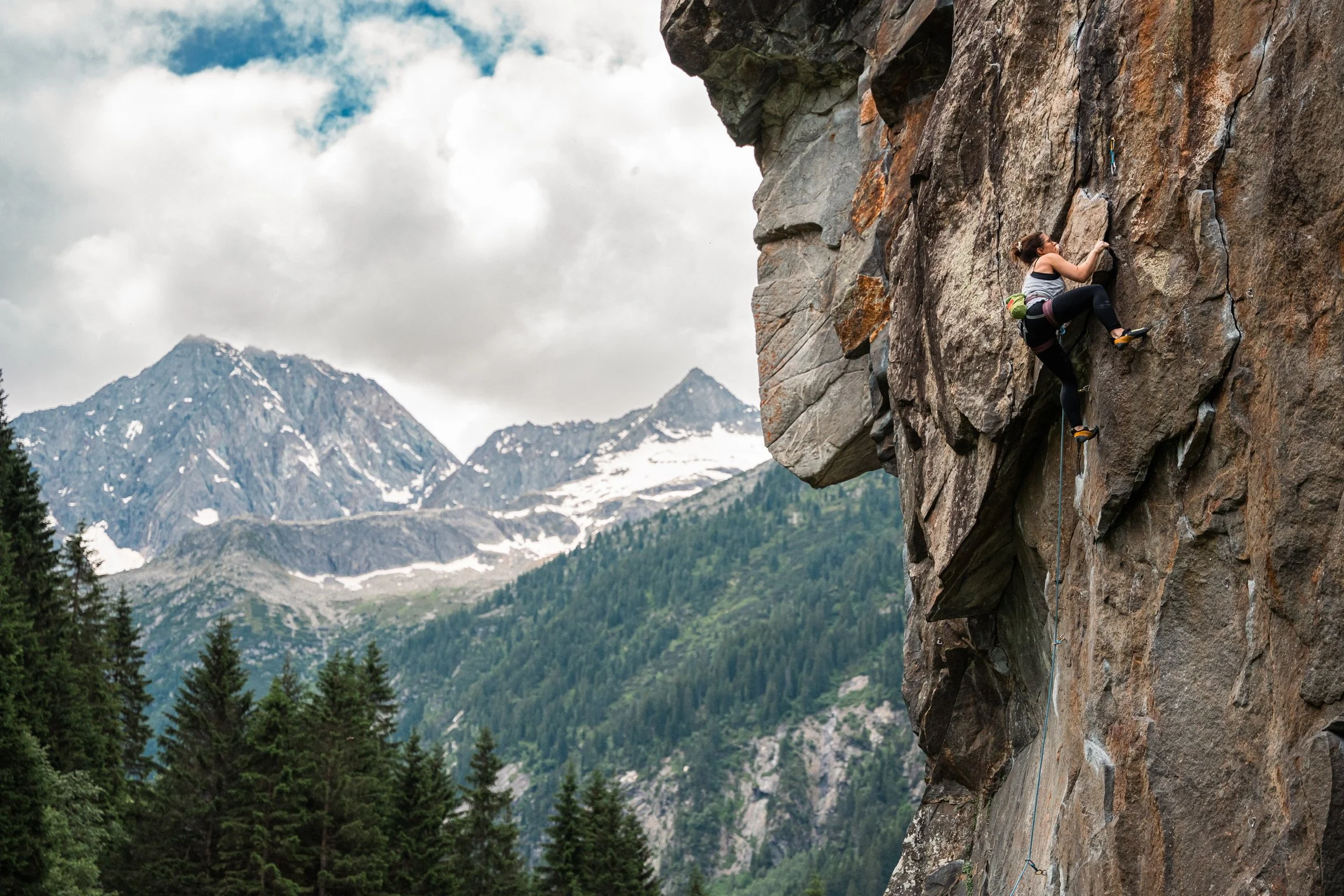
Untie your mental knots.
Do you feel like you’ve hit a plateau? Do feel like your limiting beliefs and lack of confidence sometimes hold you back? Do you constantly compare yourself to others and find it hard to trust yourself? Do you struggle with fear of failure, fear of falling and overthinking?
We believe that by applying the scientific principles of sport psychology to climbing, we can help climbers reach their mental potential.
We support you to become a mentally stronger and more confident climber.
Who we work with.
-
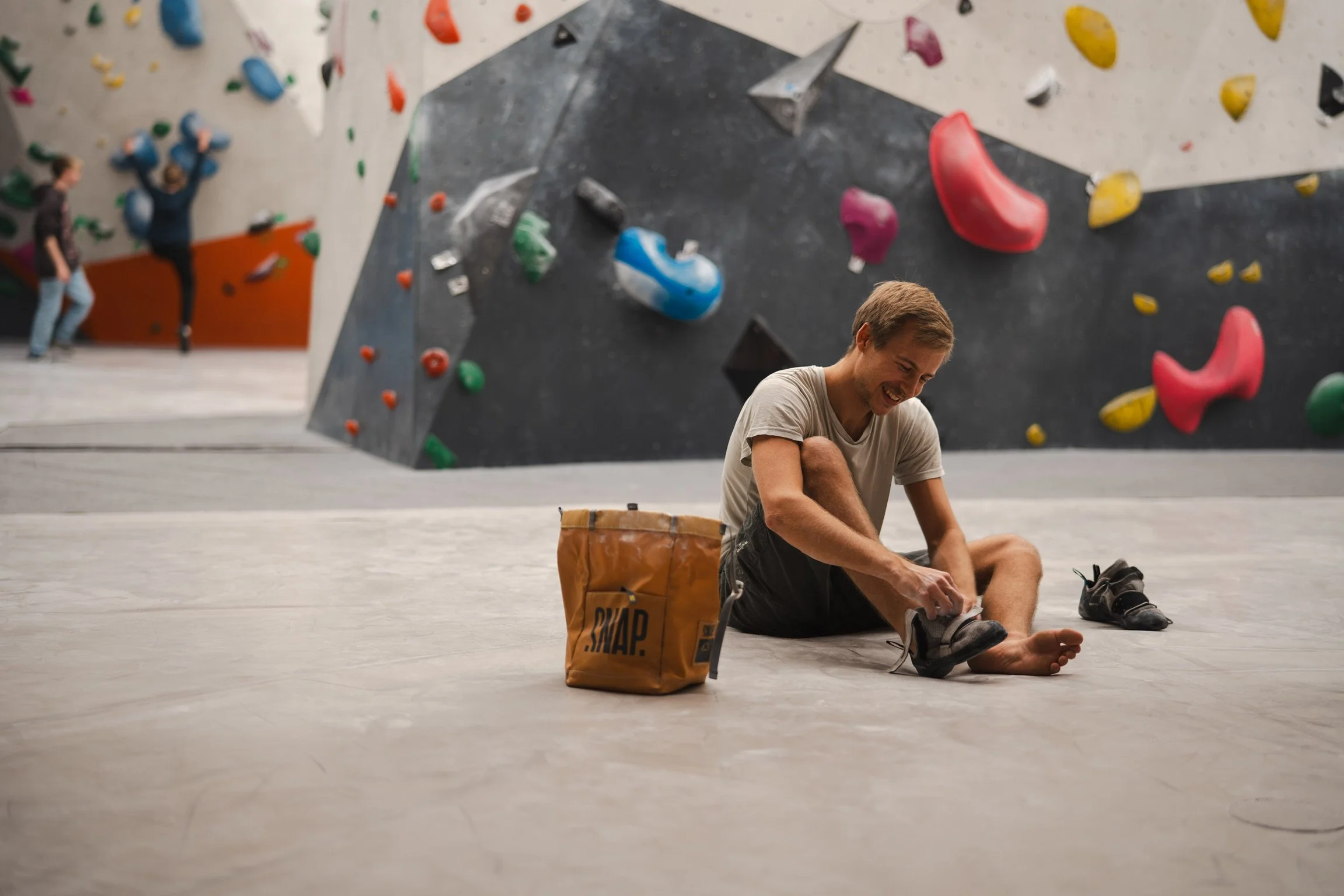
![A recreational climber sitting on the mats at a bouldering gym, smmiling while he ties his climbing shoes and prepares to climb.]()
Recreational climbers
Support for fear, confidence, frustration, motivation, and enjoying climbing more again.
-
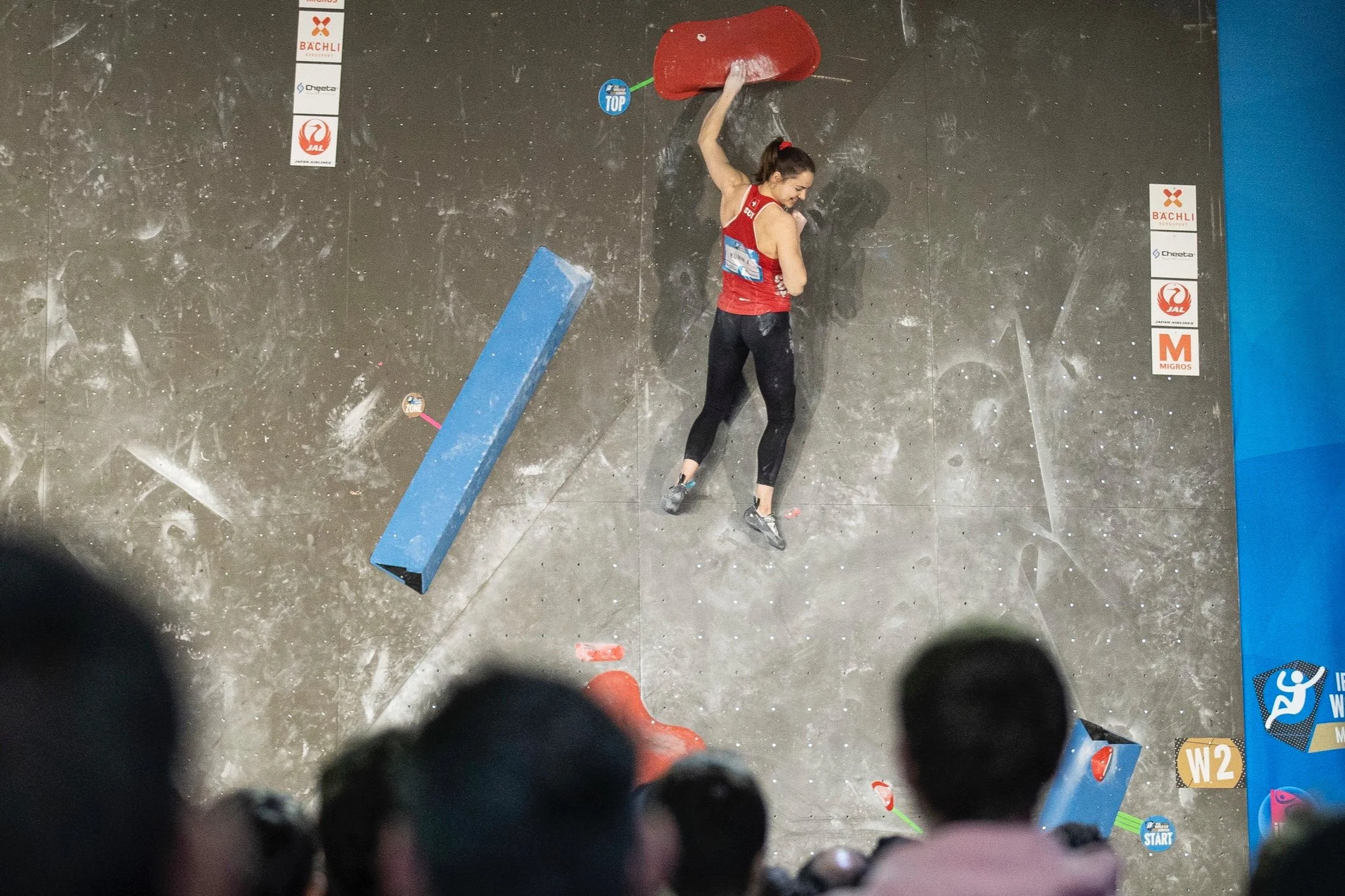
![Female international competition climber at an IFSC World Climbing bouldering championship]()
Competitive climbers
Mental performance coaching for training, competitions, and consistency under pressure.
-
![Climbing coach Tom Greenall with athletes]()
Coaches
Education, consultation, and practical tools for supporting athletes more effectively.
-
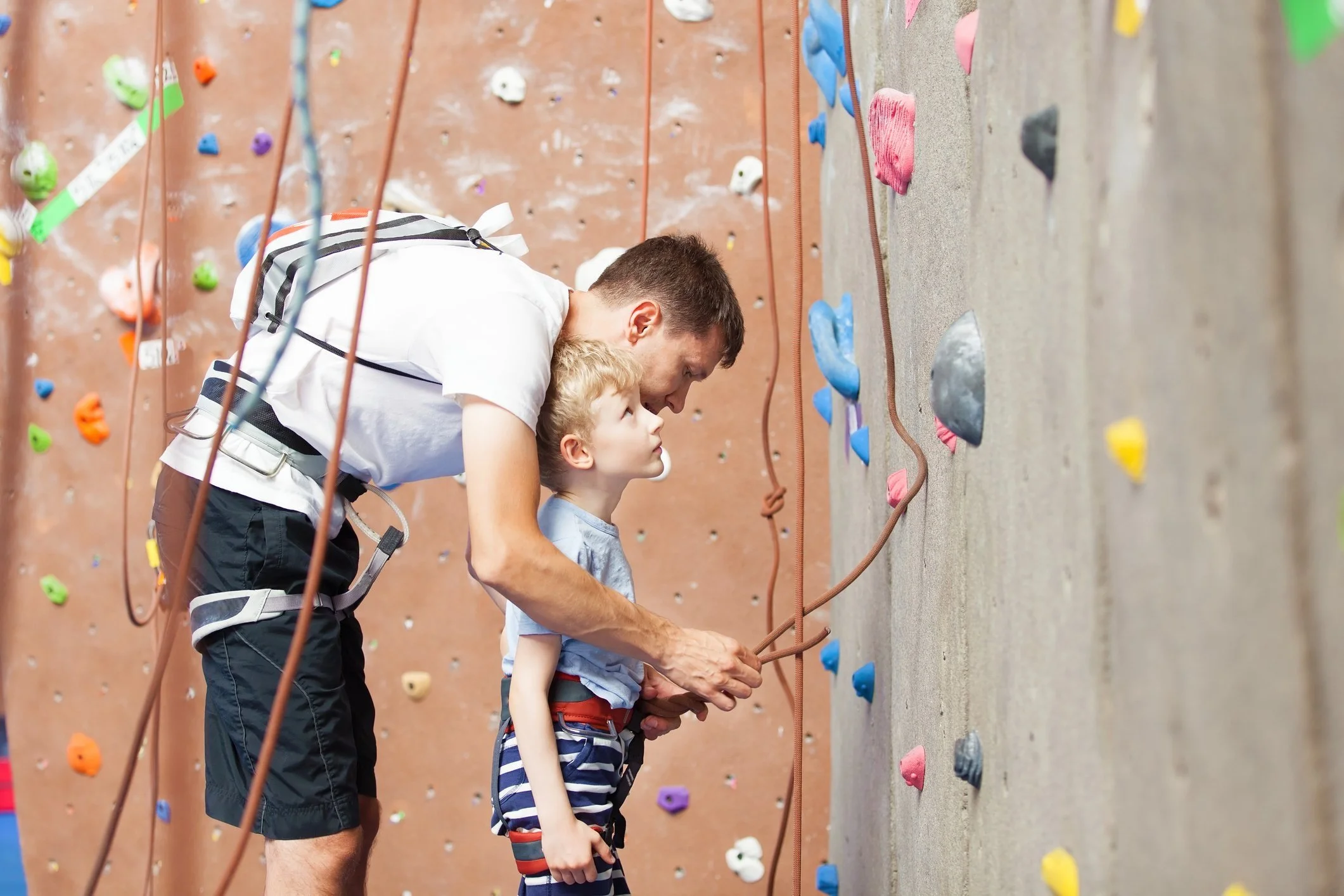
![A parent with a child at a rock climbing gym, tying their rope before the child climbs.]()
Parents
Guidance for supporting young climbers with confidence, communication, and care.
-
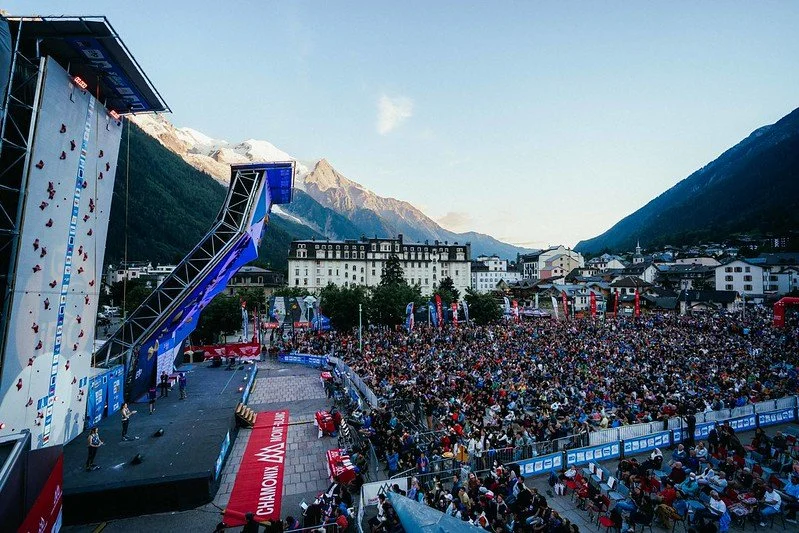
![An IFSC World Climbing championship event location with a large audience and outdoor climbing walls]()
Gyms / Federations
Workshops, talks, and applied psychology sessions for teams and communities.

Take your first steps.
-
Step 1
Request a free intro call
Let’s have a 20-minute call to explore your background, current challenges, and what you want to improve. The call is free and without obligation.
-
Step 2
Get the right recommendation
We’ll work together to craft a path that works best for you, whether that’s 1-on-1 coaching, workshops, or something else.
-
Step 3
Start online or in-person
Structured sessions include practical tools, guided exercises, and ongoing support to build your mental performance.
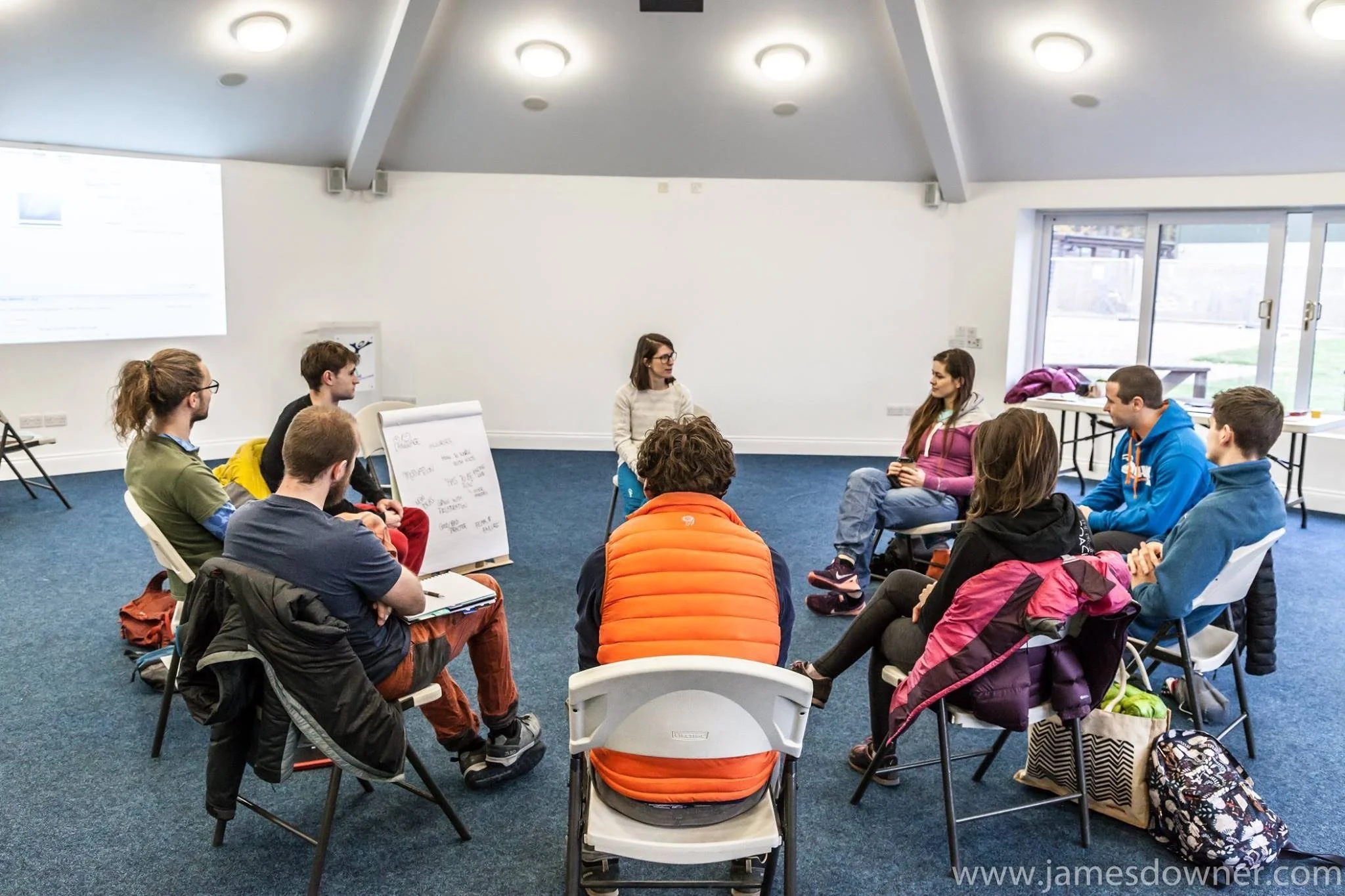
Science-backed sessions. Online or in person.
-
1-on-1 coaching
Expert guided sessions for climbers who want tailored support with fear, confidence, pressure, mindset, and performance.
-
Coach & parent support
Consultations, education, and applied tools for people supporting athletes and young climbers.
-
Talks & workshops
Sessions for gyms, teams, camps, organizations, and events on confidence, pressure, fear, and performance.
Trusted by the global climbing community.










Testimonials.
★★★★★
I had been struggling with what I thought was a fear of falling, so I originally made an appointment to just "get some tips and tricks to send harder". But in our first appointment Madeleine & I quickly discovered it wasn't just fear of falling. And as she likes to say climbing is a mirror for the other problems in our life, and this couldn't have been more true. Through our work together we discovered and addressed things that were holding me back, not only in climbing but also the rest of my life.
Marco
★★★★★
My athletes and I have complete faith in Climbing Psychology.
Madeleine, herself a former competitive climber and still incredibly strong, simply knows what she's talking about and what motivates climbers. She's a true specialist when it comes to fear of falling, emotions, and activity level regulation!
Stefanie
★★★★★
As the former president of the Lithuanian Federation of Sport Climbing, I cannot recommend the team of Madeleine and Carina highly enough. These brilliant professionals have provided our athletes with invaluable tools to handle competition anxiety, build confidence, and maintain a healthy mindset. They are highly professional, empathetic, and truly understand the high-pressure environment of competitive sports. Thank you for your outstanding work and dedication to our team!
Milda
Meet the Team
-
![Madeleine Crane Sport Psychologist Climbing Psychology]()
Madeleine Crane
FOUNDER, CEO & SPORT PSYCHOLOGIST
Madeleine is a passionate climber who has been climbing for more than 20 years herself, competing nationally and internationally for almost 15 years. She is a certified sport psychologist and systemic coach, lives in the West of Austria (close to the Swiss border) and is specialised on climbing. She has been working with climbers and climbing coaches from all around the globe, regardless of their age or professional level. Madeleine also has a cooperation with the local Olympic Center in Vorarlberg. When she is not working, you will very likely find her at one of the local crags, in the gym or at home, baking something. -
![]()
Jana Unterholzner
SPORT PSYCHOLOGIST
Jana is a sport and performance psychologist based in the beautiful climbing Mecca of Innsbruck. Originally from South Tyrol, she combines her love for movement, nature, and psychology through climbing. With a deep curiosity for the mental side of climbing, Jana supports the climbing community with evidence-based tools to navigate challenges – both on and off the wall. -
![Carina Jungblut Sport Psychologist Climbing Psychology]()
Carina Jungblut
SPORT PSYCHOLOGIST & CLINICAL PSYCHOLOGIST I.E.
Carina is a certified sports psychologist and clinical psychologist based in the stunning climbing mecca of Innsbruck, Austria. Specializing in developmental psychology, her focus lies on working with youth climbers. Having grown up in a nearby mountainous region, Carina feels deeply connected to the landscape; mountains truly feel like home to her. Passionate about outdoor sports, especially climbing, she cherishes the exhilarating sense of freedom it brings. Carina thrives on pushing her limits and exploring her mental edge. -
![Kaisa Soininen Sport Psychologist Climbing Psychology]()
Kaisa Soininen
SPORT PSYCHOLOGIST
Kaisa is a Sports and Exercise Psychologist based in Helsinki, Finland. She has worked with recreational and competitive climbers and specialised in dealing with perfectionism, a high drive for performance among recreational climbers, career transitioning, stress management and commitment via deepening self-knowledge. She found her passion for climbing in her forties and wants to continue climbing for decades ahead.



Ready to work on the mental side of your climbing?
Request a free 20-minute intro call to discuss your goals, your current challenges, and the kind of support that might help most. There is no pressure and no obligation, just a chance to see whether working together feels like the right fit.